Long-Haul Flight Comfort Tips: Sleep, Hydration, Movement
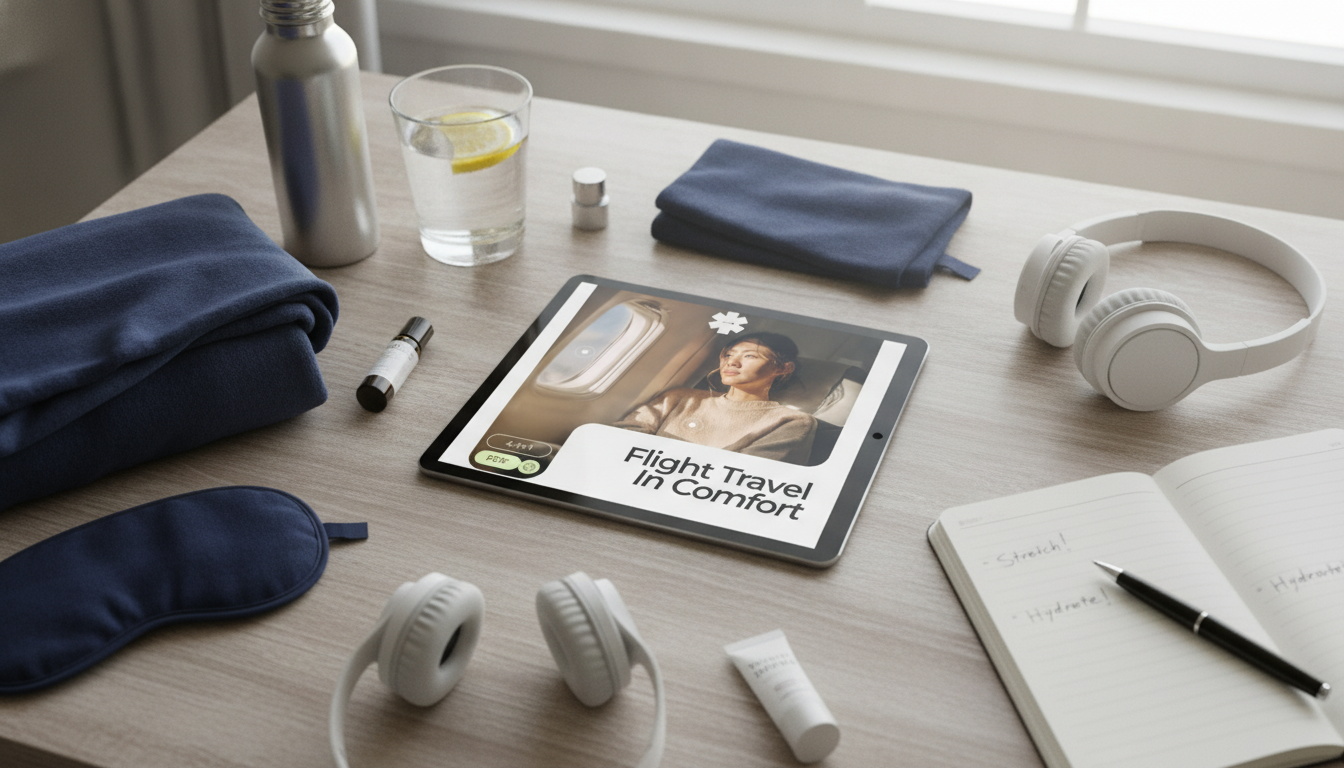
From Takeoff to Touchdown in Comfort: Practical Long-Haul Flight Tips That Actually Help
Long-haul flights test sleep, hydration, circulation, and patience—often all at once. A few smart choices before boarding and a simple in-seat routine can reduce stiffness, dryness, and jet lag so arrival feels like the start of the trip, not a recovery day.
Before You Leave: Set Up an Easier Flight Day
Comfort on a long flight is mostly decided before you ever sit down. Start with clothing that layers: a breathable base, a warm mid-layer, and socks that won’t pinch. Plan carry-on access so the items you’ll use mid-flight live together in one pouch—no full bag unpacking while elbows and tray tables are in the way.
Food and caffeine matter more than most travelers expect. A lighter meal before boarding tends to sit better when you’re strapped into a seat, and it’s easier to sleep when alcohol and caffeine aren’t stacked together. For seat strategy, pick based on your top priority: an aisle seat makes movement and bathroom breaks less of a production, while a window seat supports uninterrupted sleep. If you’re crossing multiple time zones, shifting sleep and wake times by 30–60 minutes for a couple of days can reduce that “day one fog” on arrival.
Carry-On Comfort Kit: What to Keep Within Reach
A good comfort kit isn’t about packing more—it’s about having the right things reachable at the right moment. Bring an empty water bottle to fill after security, and consider electrolytes if you’re prone to headaches (skip them if a clinician has told you to limit electrolytes or sodium). Cabin air is dry, so small skin and eye essentials—lip balm, hand cream, saline spray, travel-size eye drops, and gentle wipes—go a long way.
For sleep, keep an eye mask, earplugs or noise-cancelling headphones, and a light scarf or wrap handy for temperature swings. For circulation, properly fitted compression socks can help reduce swelling, and a small massage ball can be useful if space allows. Before landing, a quick hygiene reset (toothbrush, travel toothpaste, deodorant wipes) and a spare top can make you feel dramatically more human.
Quick Comfort Kit Checklist (Pack by Access, Not Category)
| When it’s needed | Item | Why it helps | Pack location |
|---|---|---|---|
| Takeoff to first hour | Water bottle + electrolytes (optional) | Starts hydration early; reduces headache risk | Seat pocket pouch |
| Anytime | Lip balm + hand cream | Cabin air can dry skin quickly | Small zip pouch |
| Sleep window | Eye mask + earplugs/headphones | Improves rest despite light/noise | Top of personal item |
| Every 1–2 hours | Compression socks (fitted) + ankle circles | Supports circulation on long sits | Worn + routine reminder |
| Before landing | Toothbrush + face wipes + spare shirt | Helps feel human on arrival | Outer pocket |
Onboard Routine: Reduce Stiffness and Swelling Without Drawing Attention
Reset posture regularly: uncross legs, relax shoulders away from ears, and place feet flat when possible. Hydrate steadily with small sips rather than chugging, and plan bathroom trips instead of avoiding fluids. Keep an eye on salt and alcohol during the flight—both can contribute to dehydration and swelling. For travel health basics, the FAA’s fitness for flight guidance is a helpful reference point.
Sleep on a Plane: Make a Realistic Plan
Food, Hydration, and Jet Lag: Small Choices Add Up
Prioritize water because cabin humidity is low. After you land, daylight is one of the most reliable tools for adjusting your body clock; the CDC’s jet lag guidance explains why timing light exposure matters. Finally, a short movement burst (a 10–20 minute walk) can reduce stiffness and help shake off grogginess without requiring a full workout.
Common Comfort Problems (and Simple Fixes)
Dry nose/throat
Lower-back ache
Neck strain
Restless legs
Bloating
For more on travel-related circulation risks and prevention, see the NHS guidance on DVT prevention during travel.
Using a Long-Haul Comfort Bundle: Turn Tips Into a Repeatable System
The easiest way to make these habits stick is to run a simple sequence every time: pre-flight setup → onboard movement cadence → one protected sleep block → landing refresh. If you like having a step-by-step framework ready to go, From Takeoff to Touchdown in Comfort: Flight Travel Tips for Long Haul Journeys Bundle is built around repeatable routines you can reuse for every itinerary.
Decision fatigue is real on early departures. A reusable packing checklist reduces the “did I forget something?” spiral; travelers who want to streamline luggage can pair comfort prep with One Bag, Two Weeks, Zero Stress – How to Pack a Carry On for Two Weeks. If you’re heading into humid climates with frequent transit days, A Packing Mastery Bundle for Southeast Asia – Packing List for Southeast Asia helps reduce overpacking while keeping essentials reachable.
FAQ
How often should movement breaks happen on a long-haul flight?
Do small in-seat movements every 30–60 minutes, and aim to stand and walk about every 2–3 hours when safe. Adjust for seatbelt-sign periods and any personal health considerations.
Do compression socks help on long flights?
Properly fitted compression socks can help reduce swelling and support circulation for many travelers. Choose the correct size, and consult a clinician if you have circulation issues or other medical conditions.
What’s the best way to reduce jet lag after landing?
Get daylight exposure timed to your destination, hydrate, and take a short walk to reduce grogginess. If a nap is necessary, keep it to about 20–40 minutes and avoid heavy meals right before your desired bedtime.
















Leave a comment