How Celebrities Made Converse Chucks a Style Icon
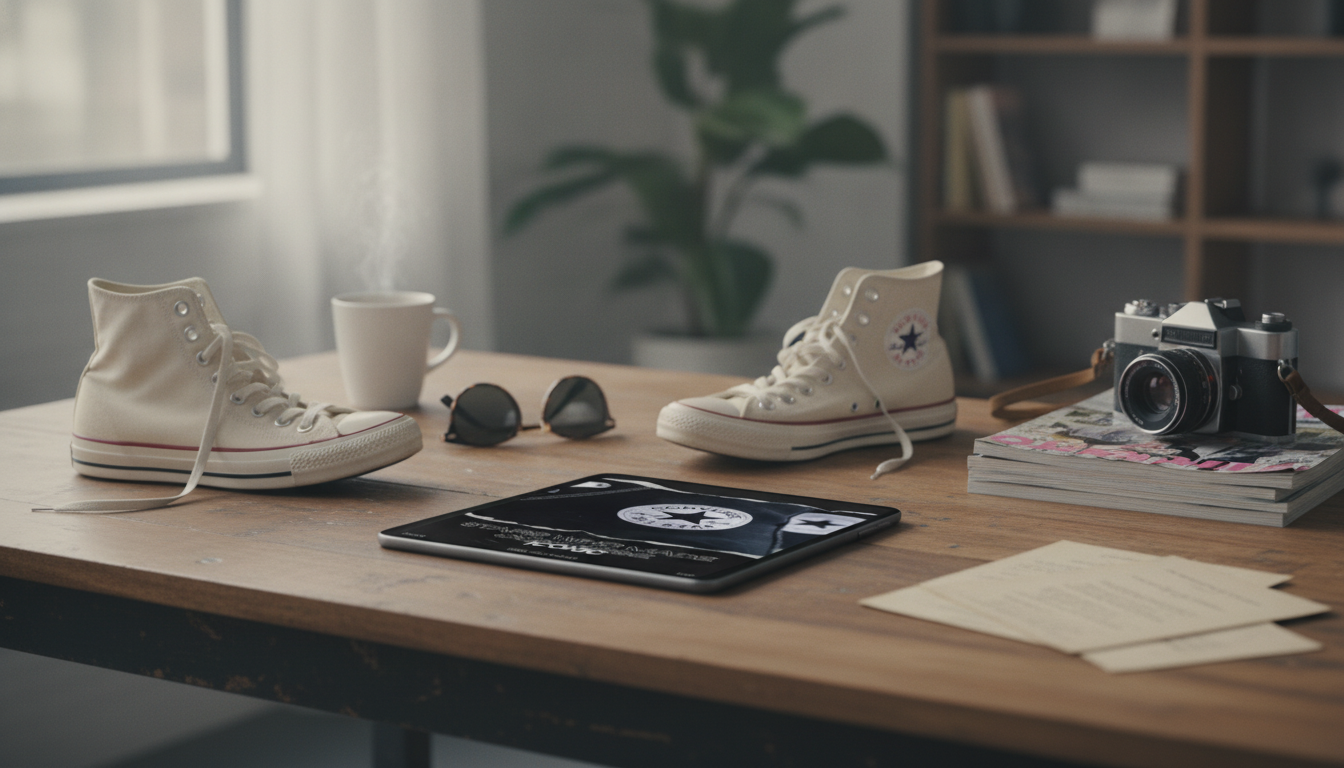
Stars Who Made Converse Iconic: A Guide to Celebrity Influence on Converse Sneakers
Converse sneakers became a cultural staple not only through design and sport, but through the people who wore them onstage, on-screen, and in everyday street style. When a famous wearer repeats the same pair in public—scuffed rubber toe cap and all—it signals something bigger than a trend: comfort, approachability, and a “this is really me” kind of confidence. From early athletic credibility to punk-era grit to modern street style, Converse has stayed visible because icons keep choosing it when they want to look effortless, not over-styled. For more guidance, see Chuck Taylor All-Stars – Wikipedia.
Why Converse Became a Celebrity Magnet
Converse has the rare ability to disappear into an outfit and still make the outfit feel intentional. That’s a powerful combination for celebrities who are photographed constantly. For further reading, see A Brief History of the Converse Chuck Taylor All Star – Urban Industry.
- A simple silhouette that works with almost anything—so repeating the same pair doesn’t feel like repeating the same look.
- Camera-friendly materials: canvas and rubber read clearly in photos and instantly communicate “casual-cool.”
- Authenticity over luxury: the accessible price and wide availability made Converse feel real, not status-chasing.
- Customization and wear-in: colorways, laces, doodles, patches, and natural creasing turn each pair into a signature.
From Courts to Closets: The Chuck Taylor Story in Brief
Converse didn’t start as a fashion statement. It earned attention on the court first, then gradually became the kind of sneaker people wore to show where they belonged—or to show they didn’t care about belonging at all.
Basketball roots and the Chuck Taylor endorsement built trust, but the long-term success came from how easily the shoe moved from performance to everyday life. Reissues and vintage cycles kept the look familiar across decades, while the “blank canvas” design invited new scenes to claim it.
Key phases that shaped Converse’s cultural image
| Era | What was happening | Why it mattered |
|---|---|---|
| 1920s–1940s | Basketball adoption and Chuck Taylor’s promotion | Built credibility and mass recognition |
| 1950s–1960s | Casual American style and youth culture growth | Moved from sport into everyday wear |
| 1970s–1990s | Punk, rock, skate, and alternative scenes embrace Chucks | Turned into a symbol of anti-polish authenticity |
| 2000s–today | Celebrity street style, collabs, and social media visibility | Expanded styling range while keeping the classic look |
Music Icons Who Turned Converse Into a Stage Essential
Converse thrives in music culture because it looks better when it’s lived in. Rock and punk scenes favored Chucks for their stripped-down design, easy movement, and the way every scratch and crease becomes part of the story. Onstage, that matters: the shoe doesn’t read like costume styling—it reads like the artist actually walks around in it.
- Practical and predictable: lightweight canvas, flexible sole, and no flashy tech to distract from the performance.
- Uniform without trying: tour photos and backstage candids made Converse feel like the default, not the “styled” choice.
- Wear marks as credibility: beat-up pairs signal hours of rehearsals, venues, and travel—exactly the kind of authenticity fans respond to.
- Genre crossover: as indie and pop adopted the same casual footwear language, more people felt “allowed” to wear Chucks with anything.
Hollywood and Television: How Screen Looks Made Chucks Everyday Cool
Film and TV pushed Converse into the everyday imagination. Wardrobe teams used Chucks to communicate youth, rebellion, or a grounded realism—especially in coming-of-age stories where characters are figuring out who they are. That’s also why the styling is so easy to copy: denim, a simple tee, and a pair of Chuck Taylors is a complete character statement without looking costume-y.
- Instant personality cue: Chucks can suggest relaxed confidence, creative energy, or a little edge depending on the outfit.
- Copy-and-go outfits: the most repeated screen pairings—jeans, leather jackets, hoodies—translate directly to real closets.
- “Dressed-down” fashion moments: celebrities wearing Converse with tailoring or event looks helped recast them as a deliberate style decision.
Athletes and Creators: When Performance Meets Personal Brand
Most Copied Celebrity Styling Formulas
A Deeper Dive: Celebrity Influence on Converse Sneakers
For a tighter, era-by-era look at how famous wearers shaped Converse—plus practical ways to connect scenes, silhouettes, and signature styling—explore the full digital guide: Stars Who Made Converse Iconic: A Guide to Celebrity Influence on Converse Sneakers.
- One Bag, Two Weeks, Zero Stress – How to Pack a Carry On for Two Weeks
- A Packing Mastery Bundle for Southeast Asia – Packing List for Southeast Asia
- Winter Survival Skincare Tips Bundle | winter skincare routine 3-in-1 Digital Guides
Sources for Converse History (Further Reading)
FAQ
Which Converse style is most associated with celebrity culture?
The Chuck Taylor All Star (high-top and low-top) dominates celebrity photos because it’s instantly recognizable, easy to style, and works across casual and dressed-up outfits. Other lines like the One Star show up in specific subcultures, but the Chuck Taylor silhouette is the most universal.
Why do celebrities keep wearing Converse even when trends change?
The design is timeless, the styling is effortless, and repeat wear reads as genuine personal taste rather than a rotating trend. Chucks also transition easily from laid-back looks to sharper outfits, which makes them useful in real life—not just for appearances.
How can a Converse look feel intentional rather than random?
Match the shoe silhouette to your pant opening (high-tops with straight or tapered legs; low-tops with wider or cropped hems), and echo one color from your outfit with laces or a top layer. Choose clean pairs for polished outfits and worn-in pairs for relaxed looks, and keep one focal point—either the shoes or a statement jacket—so the outfit feels edited.













Leave a comment