Winter Meal Planning Made Easy With a 4-in-1 AI Toolkit

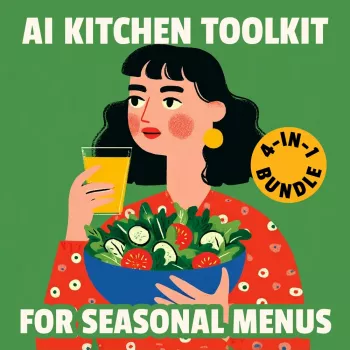
AI Kitchen Toolkit for Seasonal Menus: A 4-in-1 Bundle for Perfect Cold Weather Meals
Cold-weather cooking is at its best when planning feels effortless: cozy soups, hearty roasts, and smart use of what’s in season. The AI Kitchen Toolkit for Seasonal Menus: 4-in-1 Bundle for Perfect Cold Weather Meals is designed around seasonal menu building, practical meal structure, and repeatable workflows—so weeknight dinners and weekend comfort meals come together with less guesswork and less waste.
Why seasonal menus work so well in colder months
Seasonal cooking gets especially rewarding once temperatures drop. Winter produce is built for flavor and staying power, and the cooking methods that suit the season naturally support meal prep.
- Better flavor for the budget: Seasonal ingredients are often more affordable and taste better at their peak—think squash, cabbage, carrots, beets, potatoes, and hearty greens. For a quick reference on what’s typically in season, see the USDA Seasonal Produce Guide.
- Techniques that scale: Roasting, braising, and simmering are forgiving, hands-off methods that make “cook once, eat twice” feel natural (and delicious).
- Less decision fatigue: Pick a few core ingredients, then rotate formats (soup, sheet-pan, skillet, slow cooker, grain bowl). You get variety without reinventing dinner every night.
- Comfort with balance: Seasonal planning makes it easier to build meals around vegetables, beans, and whole grains—supporting satisfying comfort food that still feels nourishing. For broader nutrition guidance, Harvard’s The Nutrition Source is a solid starting point.
What’s inside the 4-in-1 bundle
This toolkit is organized to move from “what should we eat?” to “dinner’s done” with a repeatable structure you can reuse all winter—and beyond.
- Menu builder framework: A structured way to generate weekly plans around seasonal produce and preferred cooking methods.
- Recipe and flavor pairing prompts: Guidance for turning the same ingredient set into multiple distinct meals using spices, aromatics, sauces, and textures.
- Shopping and prep system: Batch-chop, batch-cook, and storage steps that keep weeknight execution fast.
- Portion and leftover strategy: Planned remix flows to reduce food waste while keeping meals interesting.
Bundle components at a glance
| Component | Primary purpose | Best for |
|---|---|---|
| Seasonal menu templates | Turn seasonal ingredients into a weekly plan | Busy households, structured planners |
| Flavor pairing guide | Create variety with spices, sauces, and textures | Cooks who get bored with repeats |
| Shopping + prep checklist | Streamline buying, prepping, and storage | Meal-preppers and beginners |
| Leftovers remix system | Repurpose proteins/veg into new meals | Families, budget-focused cooking |
How to build a cold-weather weekly menu using the toolkit
A strong winter menu doesn’t need seven totally different dinners. It needs a few smart anchors and a plan for turning them into multiple meals.
- Step 1: Choose 2–3 seasonal anchors. Example: sweet potatoes, kale, and chicken thighs (or chickpeas).
- Step 2: Select 3 cooking methods for the week. Try roast + simmer + skillet to cover comfort and speed without overcomplicating the schedule.
- Step 3: Assign base meals and remix meals. A roast chicken dinner becomes soup or grain bowls later; a pot of beans becomes tacos, stew, and salad toppers.
- Step 4: Lock in one comfort centerpiece. Chili, stew, or baked pasta can carry the week—then balance it with lighter sides like sautéed greens or a crisp cabbage slaw.
- Step 5: Build the shopping list from templates, then batch-prep components. One roasted vegetable tray, one cooked grain, and one chopped aromatics container can power several dinners.
Cold-weather meal ideas the bundle supports
Winter meals shine when they’re modular: a base, a protein or bean, and a bright finishing touch that keeps everything from tasting heavy.
A practical prep workflow (30–60 minutes) for the week
- Batch prep produce: Wash greens, chop onions/garlic, and roast a tray of seasonal vegetables to use across meals.
- Cook one versatile base: Make a pot of grains or beans, or roast a protein that can be repurposed (chicken thighs, tofu, turkey meatballs).
- Make one signature sauce: Tahini-lemon, pesto, salsa verde, or yogurt-garlic instantly changes the flavor of leftovers.
- Store smart: Label containers with day-of-week targets (for example, “Mon soup base” or “Wed grain bowl”).
- Safety check: Cool cooked foods quickly and refrigerate promptly; reheat leftovers thoroughly before serving. For detailed guidance, reference USDA FSIS: Leftovers and Food Safety.
Who this toolkit fits best
Price, access, and what to expect
If you’re also building winter routines beyond the kitchen, the Winter Survival Skincare Tips Bundle is another in-stock option that pairs well with cold-weather planning.
FAQ
Is this bundle suitable for beginners who don’t cook often?
Yes. It’s built around step-by-step planning with templates for menus, shopping, prep, and leftovers, so you’re not guessing what to do next. A simple way to start is to plan one soup or stew and one sheet-pan meal, then add more formats as you get comfortable.
Can the weekly plans be adapted for vegetarian or higher-protein preferences?
Yes. Keep the same seasonal anchors and cooking methods, then swap the protein: chickpeas or lentils for vegetarian, or chicken, fish, lean ground turkey, tofu, or Greek-yogurt-based sauces for higher protein. For example, a roasted sweet potato and kale plan can use chickpeas for bowls one night and chicken thighs for a sheet-pan dinner later.
How does it help reduce food waste during winter meal prep?
It plans ingredient overlap on purpose and uses a leftovers remix system so cooked components reappear in new formats. Versatile bases like roasted vegetables, cooked grains, and a signature sauce can cover multiple meals, helping ingredients get used before they’re forgotten.















Leave a comment