Portable 5-Stage RO Water Purifier for Clean Water Anywhere
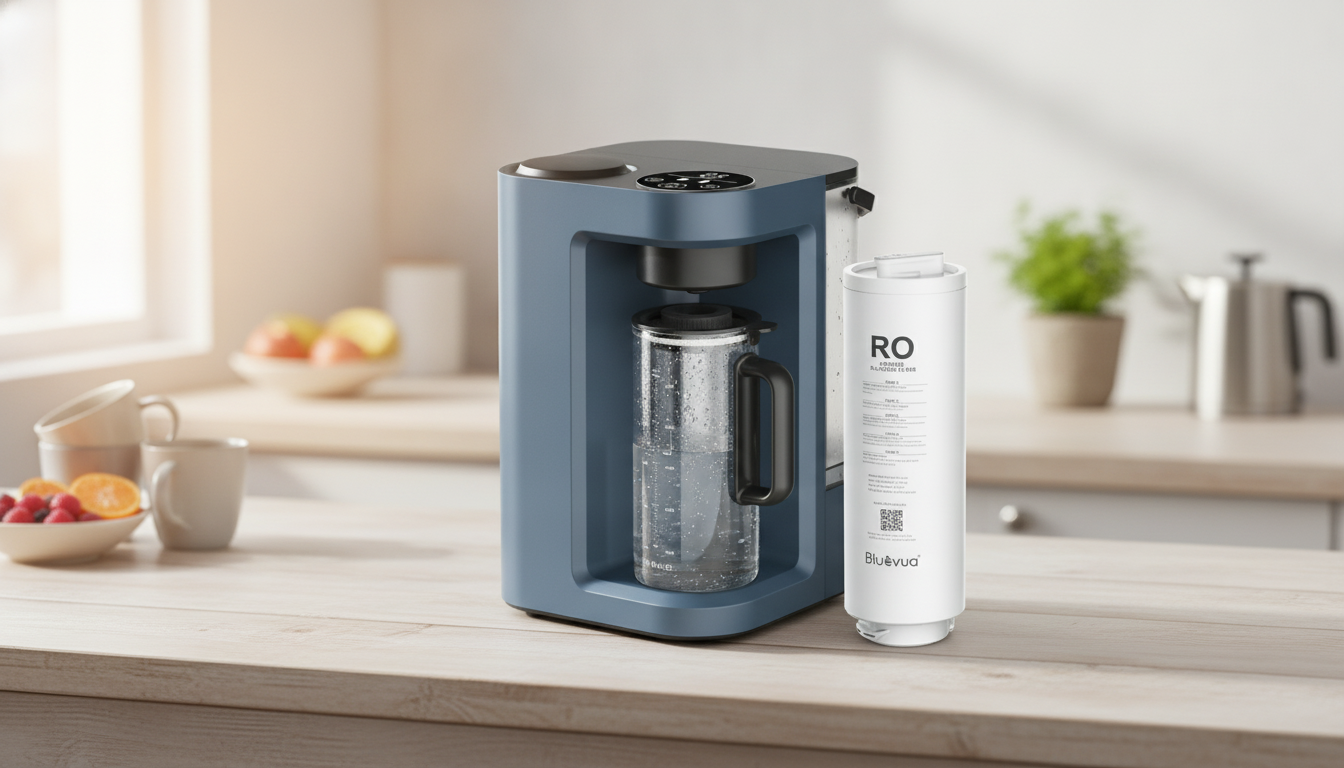
5-Stage Portable Reverse Osmosis Water Purifier: Efficient & Eco-Friendly Clean Water Anywhere
A portable reverse osmosis (RO) system can turn uncertain water sources into cleaner, better-tasting drinking water while reducing reliance on single-use plastic bottles. Whether you’re dealing with odd-tasting tap water, planning for emergency backup, or setting up a temporary kitchen in an apartment or RV, a 5-stage portable RO purifier is built to deliver layered filtration in a flexible, non-permanent format.
RO is also one of the most widely used drinking-water treatment approaches because it targets dissolved substances that basic filters may not address. For general background on water treatment and safety, see the U.S. EPA drinking water resources, the WHO drinking-water quality guidelines, and certification overviews from NSF.
What a 5-stage portable RO purifier does (and why the extra stages matter)
Reverse osmosis works by pushing water through a semi-permeable membrane designed to reduce many dissolved contaminants (often reflected in lower TDS). The “5-stage” design isn’t just a marketing label—those surrounding stages typically handle sediment, chlorine/odors, and final taste polishing so the membrane can perform more consistently.
In practical terms, multiple stages help protect the RO membrane from clogging or chemical wear, which can translate into longer membrane life and steadier output. Carbon stages can reduce chlorine and odor-causing compounds that affect both taste and the longevity of the membrane itself. A post-polishing stage then refines the finished water so it tastes crisp rather than “flat” or musty.
Portability is the other key advantage. If an under-sink install isn’t realistic—because you’re renting, moving often, outfitting an RV, or building a backup plan—a portable unit can deliver RO-style filtration without permanent modifications. The eco-friendly angle comes from reducing bottled-water consumption and, in many designs, improving efficiency so less water is wasted compared to older RO setups.
How the filtration stages typically work together
While exact cartridges vary by model, most 5-stage portable RO units follow a familiar progression: remove particles first, reduce chlorine/odors next, let the RO membrane do the heavy lifting on dissolved substances, then polish the final taste.
Example stage roles in a 5-stage portable RO system
| Stage | Common media | Primary role | Helps with |
|---|---|---|---|
| 1 | Sediment filter | Particle reduction | Sand, silt, rust, turbidity |
| 2 | Activated carbon | Chlorine/odor reduction | Taste and odor, membrane protection |
| 3 | Carbon or specialty media | Additional adsorption | Residual odors/taste, select organics |
| 4 | RO membrane | Dissolved contaminant reduction | TDS, many dissolved substances |
| 5 | Post-carbon/polish | Final taste refinement | Clean finish, improved flavor |
What it can reduce vs. what still requires attention
RO is commonly used to reduce dissolved solids and many contaminants associated with taste, scaling, and water-quality concerns. Results still depend on the incoming water, water pressure, membrane condition, and the specific system design—so it’s smart to look for model-specific testing information or certifications when you have a particular concern.
If the source water is microbiologically unsafe, RO can help reduce risk, but safe handling and proper maintenance remain essential. In higher-risk scenarios (unknown well water, heavily impacted surface water, or situations where contamination is suspected), pairing filtration with an additional disinfection step may be appropriate, especially if storage containers or tubing could be exposed.
Very hard water and high sediment loads can shorten the life of filters and membranes. Prefiltration and on-time cartridge changes aren’t optional “nice-to-haves”—they’re what keep performance steady and prevent premature wear.
Efficiency and eco-friendly benefits in everyday use
One of the simplest ways to cut household plastic waste is to replace bottled water with filtered water. When the water tastes consistent, it’s easier to stick with reusable bottles at home, in the car, and while traveling—reducing both recurring costs and packaging waste.
Where a portable RO purifier fits best: travel, RV, renting, and backup water
Maintenance and replacement filters: what to plan for
Practical buying checkpoints before choosing a portable RO unit
Product spotlight: 5-Stage Portable Reverse Osmosis Water Purifier (Efficient & Eco-Friendly)
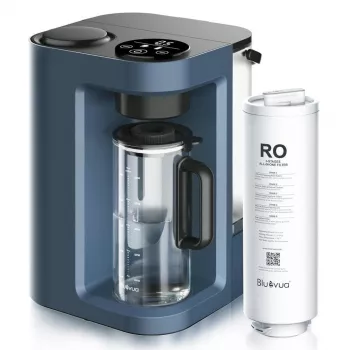
If you want RO-style filtration without a permanent install, the 5-Stage Portable Reverse Osmosis Water Purifier: Efficient & Eco-Friendly is built around a 5-stage approach—prefiltration, RO membrane filtration, and post-polishing—to help produce cleaner-tasting water. Its portable format fits apartments, RV use, temporary setups, or backup drinking-water planning, while positioning itself as a more eco-conscious alternative to routine bottled-water purchases.
Quick details
| Item | Value |
|---|---|
| Product | 5-Stage Portable Reverse Osmosis Water Purifier: Efficient & Eco-Friendly |
| Price | 911.99 USD |
| Availability | In stock |
Helpful add-ons for travel and preparedness
- One Bag, Two Weeks, Zero Stress – How to Pack a Carry On for Two Weeks
- A Packing Mastery Bundle for Southeast Asia – Packing List for Southeast Asia
FAQ
How often do the filters need to be replaced in a 5-stage portable RO purifier?
Sediment and carbon stages usually need replacement more often than the RO membrane, but the exact schedule depends on your water quality and how much you use the system. Follow the unit’s manual and watch for signs like slower output, taste/odor returning, or rising TDS readings.
Does a portable reverse osmosis purifier waste water?
Yes—RO creates a “reject” (concentrate) stream as part of separating dissolved substances from purified water. Waste-water ratios vary by design and water pressure; keeping prefilters fresh can help maintain efficiency, and in some cases reject water can be reused for non-drinking tasks if appropriate.
Is reverse osmosis water safe to drink every day?
RO water is widely used for daily drinking and can reduce many dissolved solids that affect taste and scaling. Some people prefer remineralization for flavor, and safe storage/handling is still important to keep the treated water clean.














Leave a comment