Calm Bedtime Routine: 3-in-1 Toolkit for Families
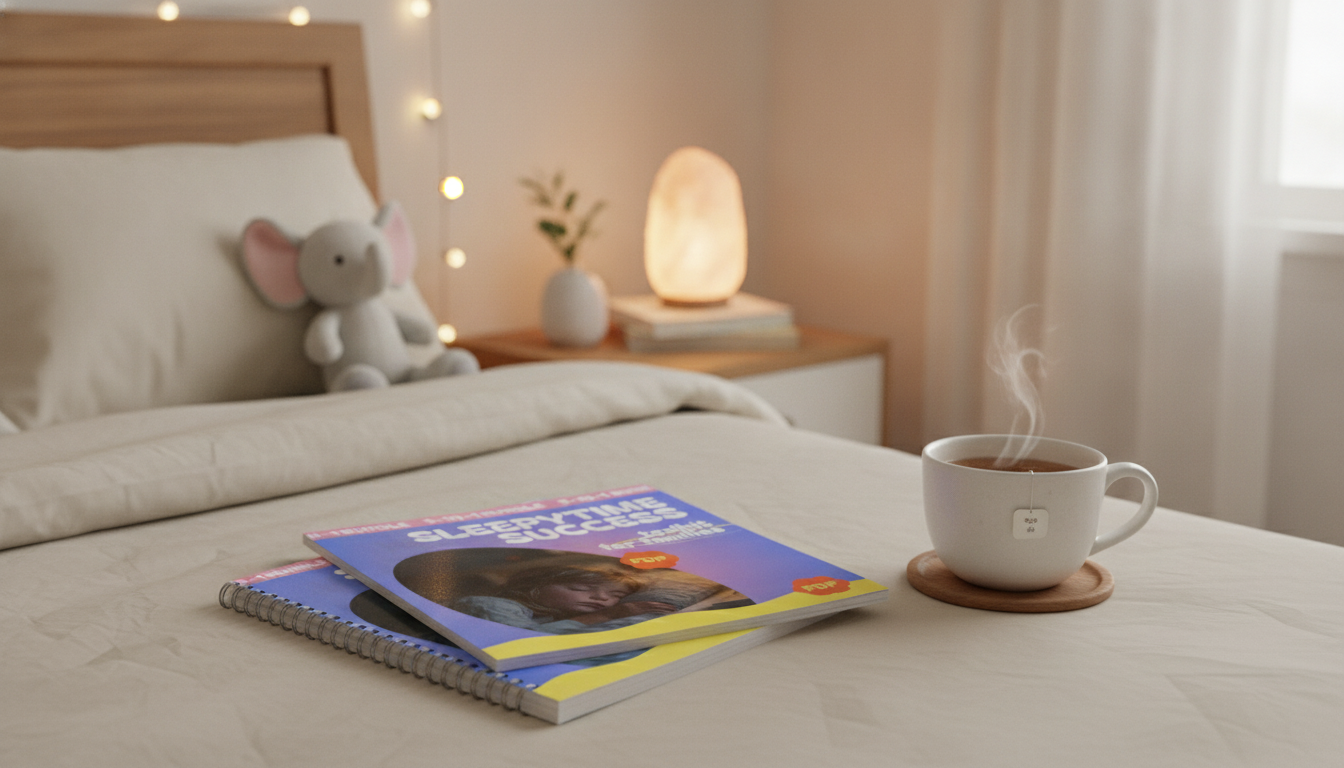
A smoother bedtime often comes down to repeatable steps, clear expectations, and tools that keep everyone on the same page. When evenings feel unpredictable, kids tend to push for more control—and grown-ups end up spending their last energy negotiating. The goal isn’t a “perfect” night. It’s a calm, consistent routine that teaches the brain and body what comes next.
Below is a practical approach to common bedtime sticking points, a simple routine formula you can repeat, and how a bundled toolkit can make follow-through easier—especially when schedules, caregivers, and ages vary.
What Makes Bedtime Hard (and Fixable) for Many Families
If bedtime feels like it unravels in the same places every night, that’s good news: patterns are easier to change than random chaos. Here are frequent culprits that can be improved with structure and repetition.
- Overstimulation close to bedtime (screens, loud play, bright lights) makes it harder for children to downshift into sleep mode.
- Inconsistent timing weakens the body’s natural cues, so “sleepy” doesn’t arrive when you need it.
- Too many decisions invites stalling (“one more snack,” “another story,” “different pajamas”).
- Anxiety and fears often peak at lights-out when distractions fade.
- Multiple ages and responsibilities make consistency the hardest part—especially when more than one adult shares bedtime duties.
If you’re also sanity-checking sleep needs by age, the CDC’s guidance on healthy sleep and the AASM pediatric sleep duration consensus are helpful benchmarks.
The Bedtime Routine Formula: Predictable Steps, Same Order, Low Drama
The most reliable routines share a few traits: they start at a realistic time, follow the same sequence, and reduce opportunities for decision-making. The routine can be short—what matters most is that it’s repeatable.
- Pick a start time that can happen most nights (even on busy evenings).
- Use the same sequence (for example: tidy-up → wash-up → pajamas → teeth → story → lights out).
- Keep the last 30–60 minutes calm with dim lights, quieter voices, and slower activities.
- Offer limited choices (two pajama options, one story choice) to prevent power struggles.
- Make the handoff consistent with a short goodnight script rather than repeated check-ins.
Example routine map (adjust times to fit age and schedule)
| Step | Goal | Time (minutes) | Tip to keep it consistent |
|---|---|---|---|
| Wind-down cue (lights dim, music, timer) | Signal transition | 5 | Use the same cue nightly so the body expects sleep next |
| Hygiene (bath/wash, teeth) | Comfort + cleanliness | 10–20 | Keep supplies ready to avoid delays |
| Pajamas + room reset | Reduce distractions | 5–10 | Do a quick toy sweep together, then stop |
| Connection moment (chat, gratitude, cuddle) | Security and calm | 5 | Set a timer so it doesn’t expand into negotiating |
| Story/song and goodnight script | Predictable closing | 5–15 | Same ending phrase and exit routine |
How a 3-in-1 Toolkit Bundle Can Support Bedtime Routine Success
A bedtime plan is only as effective as its easiest-to-repeat version. A bundled system helps by making the routine visible and reducing the mental load on adults who are already tired.
- Less decision fatigue: one unified system is easier than piecing together scattered tips.
- Better caregiver alignment: when two adults share bedtime, consistent language and steps matter.
- Progress you can see: simple prompts and trackers make consistency motivating without turning nights into performance.
- Fewer “what’s next?” battles: scripts or cue cards reduce uncertainty that often triggers resistance.
- Smoother transitions: school start, room changes, travel recovery, or a new sibling are easier with structure.
If you want a ready-to-use, family-centered system, the Sleepytime Success Toolkit for Families: 3-in-1 Bundle for Bedtime Routine Success is designed to support calm boundaries and repeatable nights.
How to Use the Sleepytime Success Toolkit for Families (3-in-1 Bundle) Week by Week
The fastest way to reduce bedtime friction is to start simpler than you think you need. Consistency first; polish later.
- Days 1–3: Keep the routine short and repeatable; prioritize the same order rather than perfection.
- Days 4–7: Add one small improvement (earlier wind-down cue, fewer choices, or shorter story block).
- Week 2: Track the most common derailers (extra water trips, snack requests, repeated check-ins) and decide on one response for each.
- Week 3: Reinforce independence with a consistent “return to bed” method and calm, brief responses to stalling.
- Ongoing: When schedules shift, keep the sequence stable even if the start time changes.
For families who notice bedtime disruptions during trips, reducing travel chaos helps bedtime stay predictable. Planning tools like One Bag, Two Weeks, Zero Stress – How to Pack a Carry On for Two Weeks or A Packing Mastery Bundle for Southeast Asia – Packing List for Southeast Asia can make evenings easier by keeping essentials organized (pajamas, toothbrushes, comfort items) and reducing last-minute scrambling.
Troubleshooting Common Scenarios Without Turning Bedtime into a Battle
For additional guidance on children’s sleep and common challenges, the Sleep Foundation’s child sleep resources can be a useful reference.
What to Look For When Choosing a Bedtime Routine Bundle
FAQ
How long does it take for a new bedtime routine to start working?
Many families notice small improvements within 1–2 weeks when the timing and steps stay consistent. Bigger gains often show up over 3–4 weeks as the routine becomes automatic and expectations settle.
What if bedtime gets worse at first?
Pushback is common when boundaries change because kids test whether the new routine is “real.” Keep responses brief, repeat the same steps, and avoid adding extra attention or new activities that accidentally reward stalling.
What age range can a bedtime routine toolkit work for?
Most routines can be adapted from toddlerhood through elementary ages by keeping steps predictable and choices limited. As kids grow, the same sequence can stay in place while you shift more responsibility to them (like managing pajamas and teeth brushing with reminders).
















Leave a comment