AI Style Match for Reebok: Sneakers & Apparel Guide
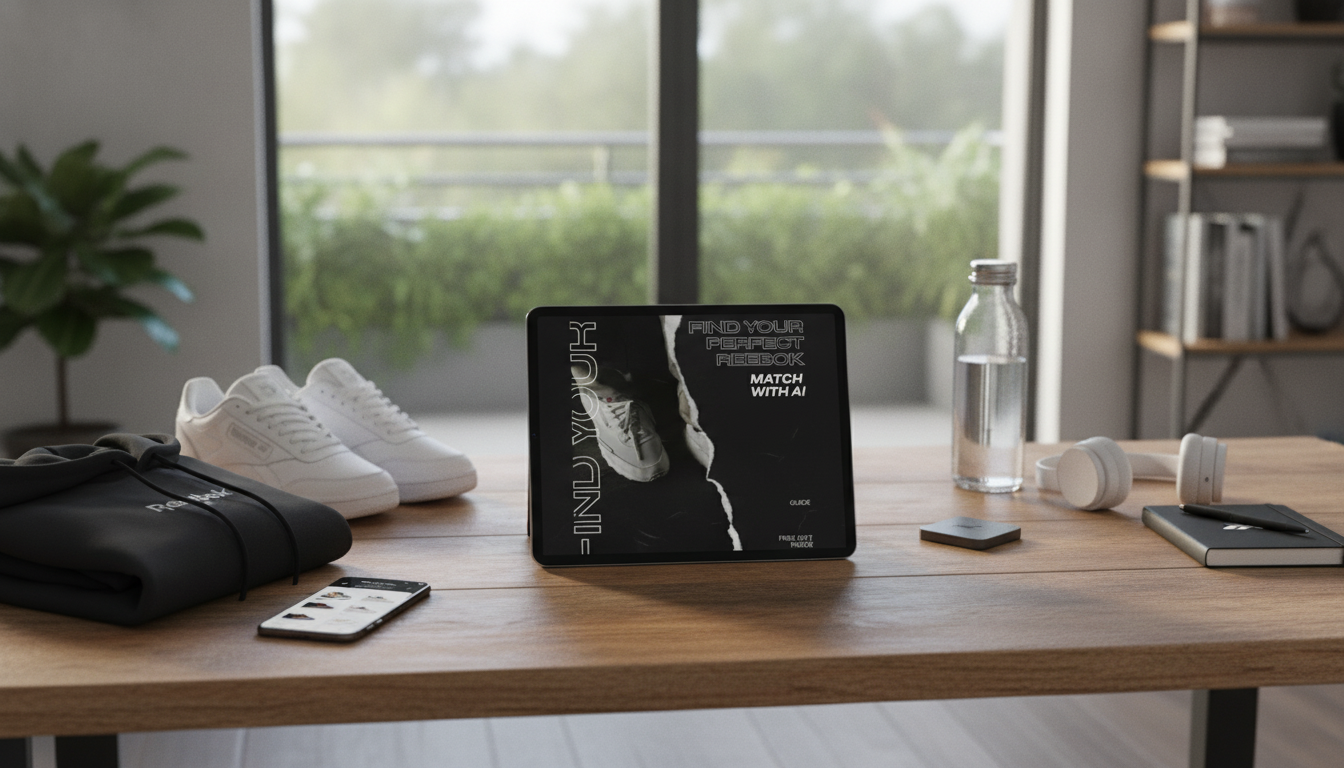
Find Your Perfect Reebok Match with AI: The Ultimate Guide to AI Style Matching for Reebok Sneakers and Apparel
AI style matching can narrow thousands of Reebok options into a short list that fits lifestyle, comfort needs, and the outfits already in rotation. Instead of scrolling endlessly, you can feed a tool a few real-life cues—colors you wear, silhouettes you like, and what your days actually look like—then refine from there. This guide breaks down how AI recommendations typically work, what to provide for better matches, and how to sanity-check the final picks with fit, materials, and use-case details so the result feels intentional, not random.
What AI Style Matching Actually Does (and What It Doesn’t)
Most AI style matchers look for patterns across images and product data: sneaker silhouettes, color families, textures, and styling cues (retro, minimal, techy, sporty). That’s why they’re great at helping you move from “I want something clean and versatile” to a handful of Reebok directions that make sense for your wardrobe.
Where AI also shines is connecting preferences to a use case: gym training, commuting, casual streetwear, or an athleisure set. The strongest tools also learn from feedback—thumbs up/down, saves, and clicks—so the rankings improve over time.
The limits matter. AI can’t guarantee comfort or fit because your foot shape, arch needs, and sensitivity points don’t show up in a photo. Treat AI as a filter that reduces choice overload; then make the final decision with a quick checklist: fit, feel, and function.
Set Up Your Inputs for Better Matches
Better inputs lead to better outputs. Start by giving the tool enough variety to understand your range without confusing it with too many opposing styles.
- Start with 3–5 outfit photos: include one casual look, one sporty look, and one “going out” look to capture range.
- List practical constraints: wide vs. narrow feet, arch support needs, climate (hot/humid vs. cold/wet), and typical walking distance.
- Define a color strategy: pick one neutral base (black/white/gray/navy) plus one accent color to reduce mismatches.
- Choose a style direction: classic court vibes, chunky retro runners, sleek minimal trainers, or performance-forward training shoes.
- Add “avoid” rules: no suede if frequent rain, no bright midsoles if scuffs bother you, no high collars if ankle mobility matters.
Once you’ve got a shortlist, confirm size guidance using official references like Reebok Size Charts. That simple step prevents the most common “great in theory, wrong in practice” outcome.
Quick Style-to-Reebok Map
AI tools often label a “vibe” rather than a specific model direction. Use the map below as a translation layer between what the AI says and the type of Reebok look that usually fits. If recommendations drift away from your goal, tighten your inputs: upload a clearer reference outfit, call out the silhouette (low-profile vs. chunky), and lock your palette.
| Style profile | What it looks like | Reebok direction to try | Best paired with |
|---|---|---|---|
| Classic court | Clean lines, low profile, leather-like uppers | Club/Court-inspired sneakers | Straight-leg jeans, polos, simple tees |
| Retro runner | Chunkier sole, throwback panels, mixed materials | Heritage runner-inspired models | Windbreakers, joggers, oversized sweatshirts |
| Minimal everyday | Neutral palette, few overlays, streamlined shape | Monochrome or tonal lifestyle trainers | Capsule wardrobes, work-casual outfits |
| Training-first | Supportive build, stable base, breathable materials | Gym-focused trainers | Performance tees, compression, training shorts/leggings |
| Athleisure sets | Coordinated colors, soft fabrics, easy layering | Matching sweats/hoodies + simple sneakers | Co-ord sets, leggings, cropped jackets |
Use-Case Matching: Pick for the Day You Actually Have
Aesthetic matching is only half the job. Your best Reebok pick depends on what your days demand.
Sizing and Fit Checks to Confirm Before Buying
AI Settings That Improve Reebok Recommendations
When evaluating AI-driven suggestions, it’s also smart to keep expectations realistic and avoid treating outputs as guarantees. Guidance like the FTC Business Guidance: Artificial Intelligence highlights why AI-based claims should be checked against real-world performance—especially for comfort, durability, and fit.
Bring the Match Home: Save, Compare, and Decide
Recommended Guides and Bundles (In Stock)
- Find Your Perfect Reebok Match with AI: The Ultimate Guide to AI Style Matching for Reebok Sneakers and Apparel — a practical framework for narrowing choices fast and validating the final pick.
- One Bag, Two Weeks, Zero Stress – How to Pack a Carry On for Two Weeks — helpful when you need one versatile sneaker that works across outfits and long walking days.
- A Packing Mastery Bundle for Southeast Asia – Packing List for Southeast Asia — useful for planning footwear and athleisure layers for mixed weather and high-mileage travel.
FAQ
Can AI accurately match Reebok sneakers to outfits from photos?
AI is usually strong at coordinating colors, silhouettes, and overall “vibe,” but comfort, fit, and exact shades can vary due to lighting and materials. Always verify the product details and double-check sizing before buying.
What information should be provided to get better Reebok style recommendations?
Provide multiple outfit photos, your main use case (walking, gym, casual), a preferred color palette, and your silhouette preference (chunky vs. sleek). Add constraints like wide feet, weather, and scuff-resistance needs to keep suggestions practical.
How can a Reebok apparel match look coordinated without being too “matchy”?
Use tonal coordination (similar shades rather than identical colors), stick to one anchor neutral plus one accent, and mix textures for depth. Keep either the top or the bottom simple when the other piece is bold.










Leave a comment