4-in-1 Anxiety Relief Bundle for Mindfulness & Calm
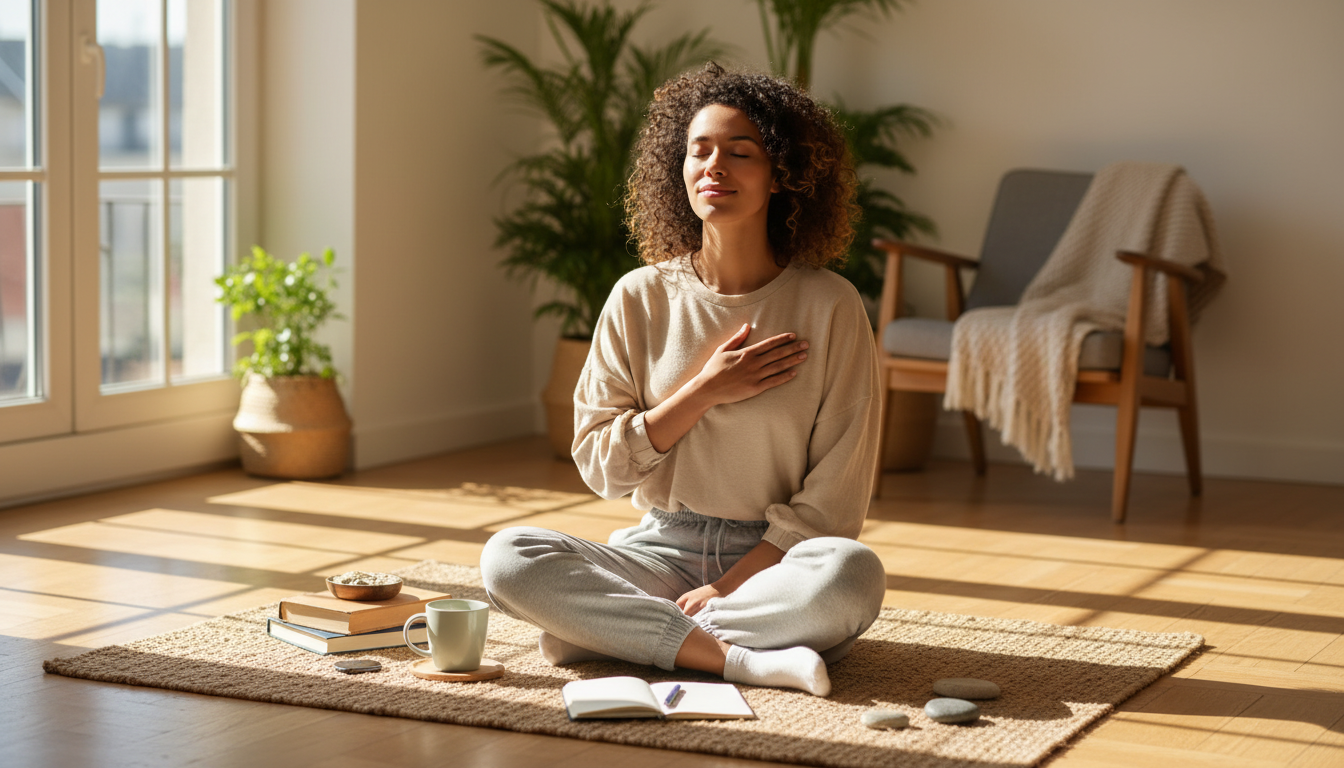
The Anxiety Relief Bundle: A Path to Calm — A 4-in-1 Toolkit for Steadier Days
Daily stress can stack up fast—racing thoughts, tension in the body, and a constant sense of urgency. A supportive routine can make anxious moments feel more manageable, especially when it’s simple, repeatable, and easy to follow. The Anxiety Relief Bundle: A Path to Calm brings together mindfulness exercises, positive-thinking prompts, a printable checklist, and a course outline designed to help build a practical, calming rhythm—one step at a time.
While self-guided tools aren’t a replacement for professional care, they can be a steady companion for everyday stress—helping you practice skills that support a calmer baseline and a faster recovery when worry spikes. For background on anxiety and common treatments, see the National Institute of Mental Health and the American Psychological Association. For research context on mindfulness, the NCCIH overview is a helpful reference.
What’s Inside the 4-in-1 Bundle
This digital bundle is built so you can use it in small “micro-sessions” or combine pieces for deeper practice—without needing special equipment or long blocks of free time.
- Mindfulness exercises: guided practices that encourage present-moment awareness and gentle attention training.
- Positive thinking materials: structured prompts to challenge spirals and reinforce balanced, realistic self-talk.
- Printable checklist: a quick-reference tool for daily and “in-the-moment” calming actions.
- Course outline: a step-by-step pathway that organizes learning into manageable sessions so progress feels clear.
- Designed to be mixed-and-matched: use one component on busy days or combine several for deeper practice.
Bundle Components and How They Fit Into a Routine
| Component | Best used for | Time needed | Suggested frequency |
|---|---|---|---|
| Mindfulness exercises | Settling the body and interrupting rumination | 5–15 minutes | Daily or as needed |
| Positive thinking prompts | Reframing anxious thoughts and reducing catastrophizing | 5–10 minutes | 3–5 times/week |
| Printable checklist | Fast decisions during anxiety spikes; building consistency | 1–3 minutes | Daily check-in |
| Course outline | Creating structure and tracking progress over time | 15–30 minutes/session | Weekly plan |
Who This Bundle Can Support
- People feeling overwhelmed by constant worry, mental overthinking, or difficulty relaxing after work or school.
- Anyone who benefits from structure and clear next steps rather than open-ended self-help suggestions.
- Beginners who want approachable mindfulness without needing special equipment or long sessions.
- Those who prefer printable tools to stay consistent, especially during high-stress weeks.
- Not a substitute for medical care; additional support may be needed if anxiety is severe or persistent.
How Mindfulness Exercises Help Create Calm
- Mindfulness practice can help shift attention away from threat-scanning and toward neutral, present sensations.
- Body-based grounding (breath, touch, posture) can reduce the intensity of anxious arousal when practiced consistently.
- Short, repeatable exercises build confidence: the goal is steadiness, not “emptying the mind.”
- Pairing mindfulness with a checklist reduces decision fatigue during anxious moments.
- Progress often shows up as faster recovery from stress and improved ability to pause before reacting.
Positive Thinking That Stays Realistic (Not Forced)
- Helpful reframing focuses on balanced statements rather than unrealistic positivity.
- Prompts can guide a shift from “What if everything goes wrong?” to “What evidence supports this fear, and what evidence doesn’t?”
- Language matters: gentle, specific self-talk is often more effective than broad affirmations.
- The most useful exercises are repeatable during common triggers (deadlines, social events, nighttime worry).
- Tracking patterns over time supports insight: which thoughts appear most often, and what counter-statements help.
Printable Checklist: Turning Calm Into a Habit
- A checklist makes calming skills easier to use in the moment by removing guesswork.
- Works as a daily “baseline” routine: a few minutes each day can reduce overall stress load.
- Also useful as an “acute” plan during spikes: quick steps such as breathing, grounding, hydration, and a short reset.
- Printable format supports visibility—posted near a desk, planner, or bedside for fast access.
- Consistency beats intensity: small actions repeated often are more sustainable than rare long sessions.
Course Outline: A Clear Path Instead of Random Tips
A Simple Weekly Plan Using All Four Pieces
When to Consider Additional Support
Product Details at a Glance
If you’re looking for a straightforward, printable-friendly routine builder, The Anxiety Relief Bundle: A Path to Calm is designed to keep the next step obvious—especially on days when motivation and focus feel thin.
| Item | Details |
|---|---|
| Product | The Anxiety Relief Bundle: A Path to Calm | 4-in-1 Bundle |
| Includes | Mindfulness exercises, positive thinking materials, printable checklist, course outline |
| Format | Digital download (printable components included) |
| Price | $106.99 USD |
| Availability | In stock |
More Digital Tools for Lower-Stress Planning
- One Bag, Two Weeks, Zero Stress – How to Pack a Carry On for Two Weeks
- A Packing Mastery Bundle for Southeast Asia – Packing List for Southeast Asia
FAQ
How quickly can results be noticed with mindfulness and positive-thinking practice?
Many people notice small early wins first, like calmer recovery after a trigger or fewer “mental spiral” moments. With a consistent routine, noticeable change often builds over 2–4 weeks, especially when sessions stay short and repeatable.
Is this bundle appropriate for beginners who have never tried mindfulness?
Yes—starting with brief exercises makes it beginner-friendly, and the printable checklist helps remove guesswork about what to do next. Following the course outline can also keep pacing comfortable so skills build gradually.
Can the printable checklist be used during a panic-like anxiety spike?
Yes—the checklist can act as a quick first step when thinking feels rushed, then you can pair it with a grounding or breathing exercise to steady the body. If panic-like symptoms are severe, frequent, or feel unsafe, professional support is recommended.













Leave a comment