Best Age to Start a Bedtime Routine for Kids
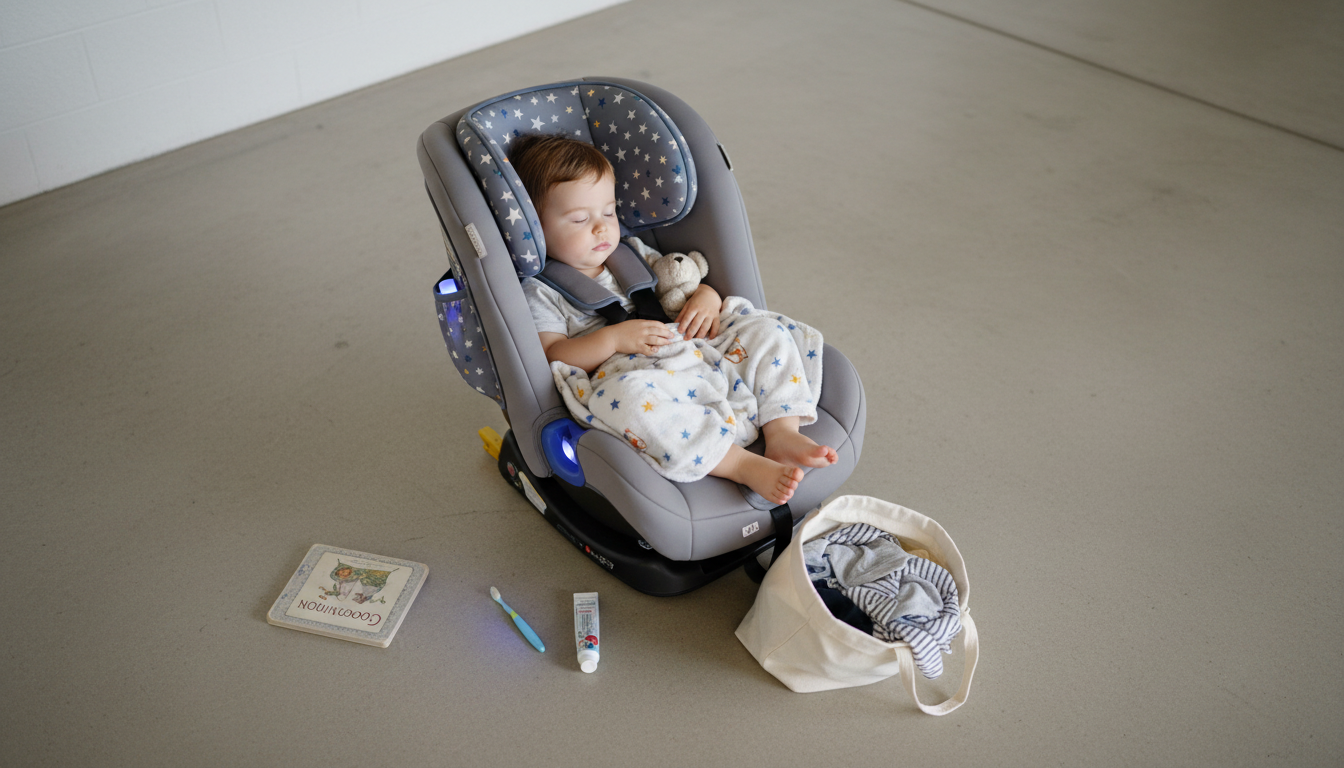
What age should a child have a bedtime routine?
A child can start a bedtime routine from the very beginning—often within the first few weeks of life. Newborns don’t follow a true “schedule,” but simple, repeatable steps (dim lights, diaper, swaddle or sleep sack, feeding, lullaby) help signal that sleep is coming. The goal early on is consistency, not a strict bedtime.
By around 3 to 4 months, many babies begin developing more predictable sleep patterns, making it an ideal time to strengthen a routine and anchor it to a regular bedtime window. For toddlers and preschoolers, a routine becomes even more valuable because it reduces bedtime battles and supports emotional regulation after a busy day.
Why starting early helps
Bedtime routines work because they create a reliable sequence that cues the body and brain to wind down. When the same calm activities happen in the same order, children learn what to expect, which can shorten the time it takes to fall asleep and reduce nighttime resistance.
What a good routine looks like at different ages
Newborn to 3 months: Keep it short (10–20 minutes). Focus on soothing cues: low light, gentle rocking, soft voice, and a consistent sleep environment.
3 to 12 months: Aim for 20–30 minutes. Add a predictable order, like bath (optional), pajamas, feeding, story or song, then into the crib drowsy but comfortable.
Toddler and up: 30–45 minutes is typical. Include tooth brushing, pajamas, two short books, a quick chat about the day, then lights out. Keep it calm and avoid stimulating screens right before bed.
How to know it’s working
Signs of a solid routine include fewer protests at bedtime, smoother transitions, and your child settling faster on most nights. If bedtime stretches longer than an hour, consider shortening the routine, moving bedtime earlier, or adjusting naps.
For age-by-age examples and practical tips, see the full guide here: https://greatchoicepoints.shop/what-age-should-a-child-have-a-bedtime-routine/.
FAQ
How long should a toddler’s bedtime routine be?
Most toddlers do best with a 30–45 minute routine that’s predictable and calm. Too long can invite stalling, while too short can feel abrupt and increase resistance.
















Leave a comment