Mental Strength Meal System: 7-Day Repeatable Reset
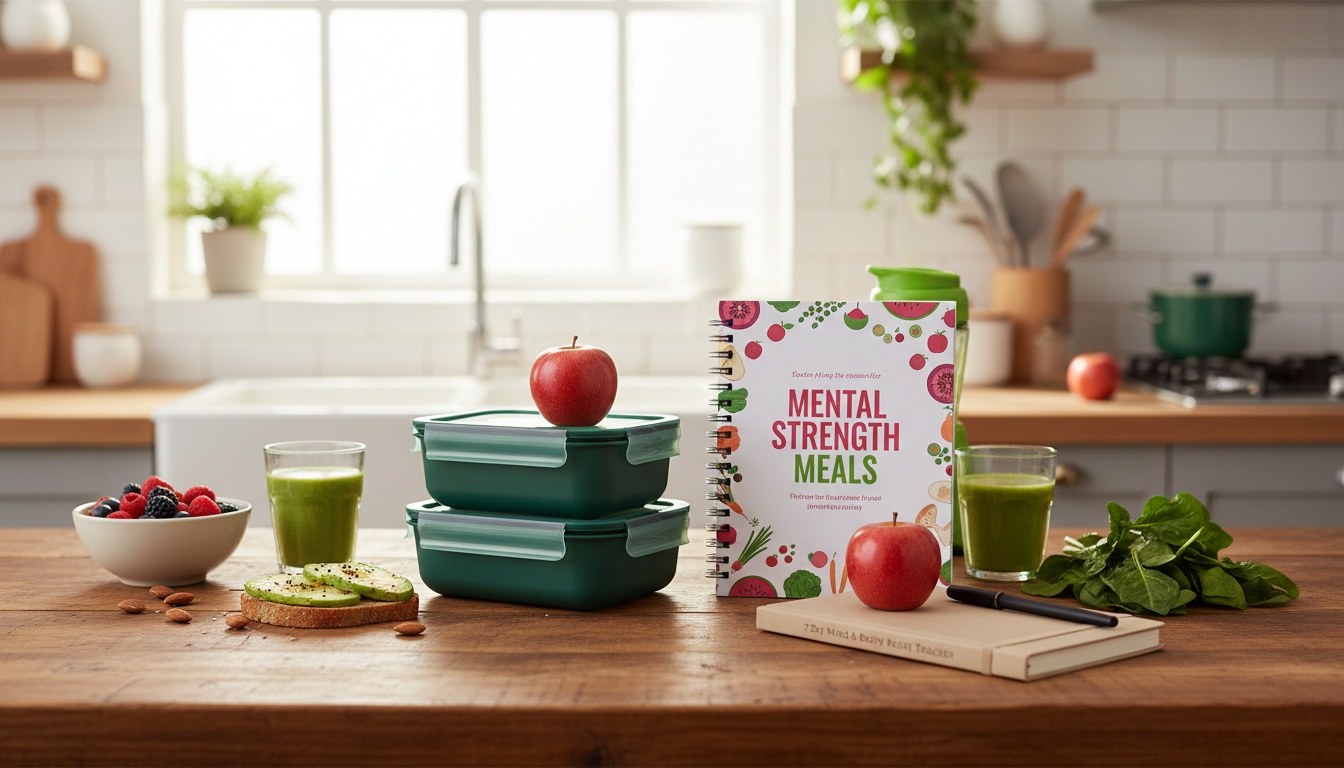
Food for Mental Strength: A Simple Nutrition System You Can Repeat
Mental strength is easier to build when daily eating supports steady energy, balanced mood, and clear focus. The Food for Mental Strength Toolkit: 3-in-1 Bundle for Diet & Mental Health is a digital, practical system designed to simplify food choices and turn nutrition into a repeatable routine—especially on stressful days when decision fatigue hits hard.
Instead of chasing perfect meals, the toolkit helps you create a reliable baseline: meals that keep you steady, shopping lists that don’t require extra brainpower, and “default” options for low-motivation moments. It’s meant to complement the basics that matter for mental wellness—sleep, movement, and support—while making food feel doable.
What “mental strength” nutrition supports day to day
Food can’t eliminate stress, but it can reduce avoidable physiological swings that make stress feel louder. A supportive eating pattern tends to focus on:
- Stable blood sugar patterns to reduce energy crashes that can amplify irritability and brain fog.
- Adequate protein and healthy fats to support neurotransmitter building blocks and keep you satisfied.
- Fiber-rich carbs (vegetables, legumes, whole grains) that support the gut–brain axis and steadier mood.
- Key micronutrients often linked with mood and cognition (iron, magnesium, zinc, folate, B12, omega-3s).
- Hydration and caffeine timing to avoid jitters and late-day sleep disruption.
For a deeper look at how diet patterns relate to brain health, see Harvard Health Publishing’s overview of nutritional psychiatry: Nutritional psychiatry: Your brain on food. For omega-3 guidance, the NIH Office of Dietary Supplements provides a consumer-friendly fact sheet: Omega-3 Fatty Acids.
Who this bundle fits best
This toolkit is built for real-life constraints—busy calendars, fluctuating motivation, and limited bandwidth. It’s a strong fit if you want:
- Busy schedules: fast, repeatable meal decisions with minimal planning fatigue.
- Stressful periods: supportive routines that feel grounding rather than restrictive.
- Diet resets: structure (checklists, templates, guides) over open-ended advice.
- Mood-focused wellness: a practical nutrition system that complements therapy, sleep, and movement habits.
- Meal-prep beginners: clear steps, shopping guidance, and easy substitutions.
When stress is high, the body’s response can affect appetite, sleep, and energy regulation. The American Psychological Association summarizes these effects here: Stress effects on the body.
What’s included in the 3-in-1 toolkit bundle
The bundle is designed to replace “What should I eat?” with a small set of repeatable rules you can apply anywhere—at home, at the store, or ordering out. You’ll get:
- A structured approach to building meals that prioritize focus, calm energy, and recovery.
- Practical prompts and frameworks for planning days when motivation is low.
- Templates that turn “healthy eating” into a simple weekly loop (plan → shop → prep → eat).
- Guidance for adapting the system to common dietary preferences and constraints.
Bundle overview: components and how they’re used
| Bundle component | What it helps with | How to use it |
|---|---|---|
| Guide 1 (foundation) | Building balanced plates that support steady mood and focus | Use as a quick reference when assembling meals or ordering out |
| Guide 2 (planning) | Reducing decision fatigue with a repeatable weekly routine | Pick a weekly template, plug in meals, generate a shopping list |
| Guide 3 (implementation) | Making habits stick on stressful days | Use checklists, substitutions, and “low-effort” meal options |
How to use the toolkit in a simple 7-day reset
If you want quick momentum, treat the first week like a reset focused on consistency (not restriction). A simple flow:
- Day 1: Choose a weekly structure (3 meals or 2 meals + snacks) and set realistic grocery boundaries.
- Day 2: Build a short “core foods” list (proteins, fiber carbs, colorful produce, healthy fats).
- Day 3: Prep one anchor item (sheet-pan protein, cooked grain, or a bean/lentil base) to reduce midweek stress.
- Day 4–5: Use the substitution framework to stay consistent when plans change (swap protein, swap carb, keep vegetables).
- Day 6: Review energy, cravings, and sleep quality; adjust portions and timing rather than adding restriction.
- Day 7: Create a “default week” plan that can be repeated with small flavor variations.
The goal is to end the week with a plan you can reuse—because mental strength often comes from fewer daily negotiations, not more rules.
Food strategies that pair well with mental health routines
Recommended digital bundles to support low-stress routines
- Food for Mental Strength Toolkit: 3-in-1 Bundle for Diet & Mental Health (core nutrition planning + implementation system)
- Winter Survival Skincare Tips Bundle | winter skincare routine 3-in-1 Digital Guides (simple self-care steps that are easy to repeat)
- One Bag, Two Weeks, Zero Stress – How to Pack a Carry On for Two Weeks (planning structure that reduces last-minute pressure when traveling)
Get the bundle and start with the easiest step
If you want a practical structure you can follow even when motivation dips, the Food for Mental Strength Toolkit: 3-in-1 Bundle for Diet & Mental Health is built to make “good enough and consistent” feel straightforward.
FAQ
Is this toolkit a replacement for therapy or medical treatment?
No. It’s an educational, supportive resource for building nutrition habits, and it’s not intended to diagnose, treat, or replace professional mental health or medical care. If you have a mental health condition or symptoms that concern you, consult a qualified clinician.
Will this work if cooking time is limited?
Yes. The templates and substitution framework are designed for low-prep options like rotisserie chicken, frozen vegetables, canned beans, bagged salads, and simple bowls—so you can stay consistent without long cooking sessions.
Can it fit different dietary preferences (vegetarian, gluten-free, etc.)?
Yes. The meal-building framework can be adapted by swapping proteins and carbs while keeping the same anchors—fiber, healthy fats, and solid micronutrient coverage—so the structure stays intact even as ingredients change.
















Leave a comment